Female hawker dragonfly laying eggs in damp moss at the side of the pond
Linnet (Carduelis cannabina)
September 15, 2010 by
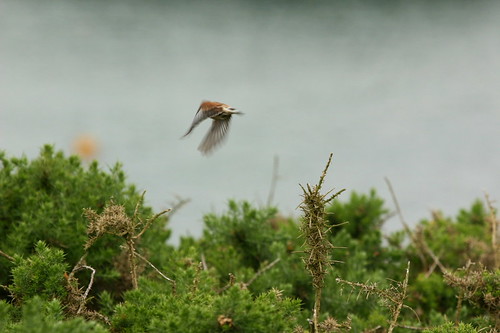
Not your classic bird pose this one, but I’ve always been interested in capturing pictures of birds at this stage of flight. Whether the slow power of larger birds as they beat the air into submission or that fizzing burst of energy which propels the littler ones, for me there’s something magical about freezing the action at the point when they actually defeat gravity.
Linnets used to be popular cage birds, the male having an intricate, and slightly ethereal twittering song, but thankfully that sort of thing doesn’t happen any more. Just as well as this is now listed as an RSPB red list species, breeding numbers having fallen significantly over the past 25 years in this country, as well as being a Species of European Conservation Concern.
Again its changes in farming practices which have so dramatically affected a bird which exploited non intensive arable practices. The increased use of herbicides and monocultural approaches to grassland ‘improvement’ have eliminated a lot of the seed rich native plants or ‘weeds’ as they’re often called. The widespread use of another monoculture, the increasingly widespread bane of hayfever sufferers, oil seed rape, has been beneficial during the summer, but the lack of stubble fields during the winter months has robbed them of habitat and food, when they need them most.
Just in case you’re not convinced about the ID of the blurry blob in the first picture, here’s the one I took fractionally before.
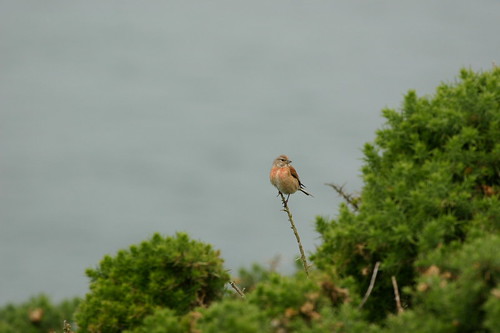
Nice, but not quite so much fun in my opinion.
Watching Chris Cheeseman on th…
September 15, 2010 by
Watching Chris Cheeseman on the local news explaining why the badger cull is unlikely to work
Gatekeeper (Pyronia tithonus)
September 14, 2010 by
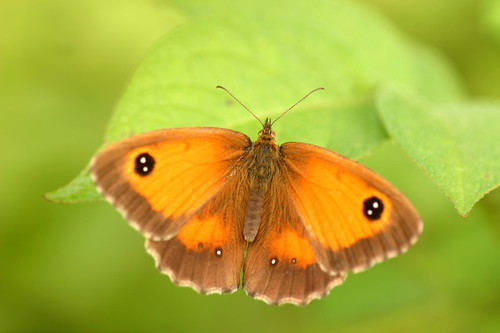
A common butterfly almost anywhere shrubs meet rough grassland. Superficially pretty similar to the related Meadow Brown (Maniola jurtina) but a little smaller, with a larger amount of orange, particularly on the hindwings and having two white pupils instead of one in the forewing eyespots. This individual is a female, the males have a very obvious dark patch of scent scales on their forewing.
The larvae feed on grass species like Bents, Fescues, Meadow Grasses and Common Couch. The adults feed on the nectar from a wide variety of plants including Privet, and Thistles and Brambles so their ubiquity, to some extent ,must be related to their fairly catholic tastes.
The flight season is relatively short with adults having only one generation and being in flight from the second half of July up until the end of August. This is significantly less than M. jurtina which also only has one generation a year, but has a much greater flight period from mid June to late September.
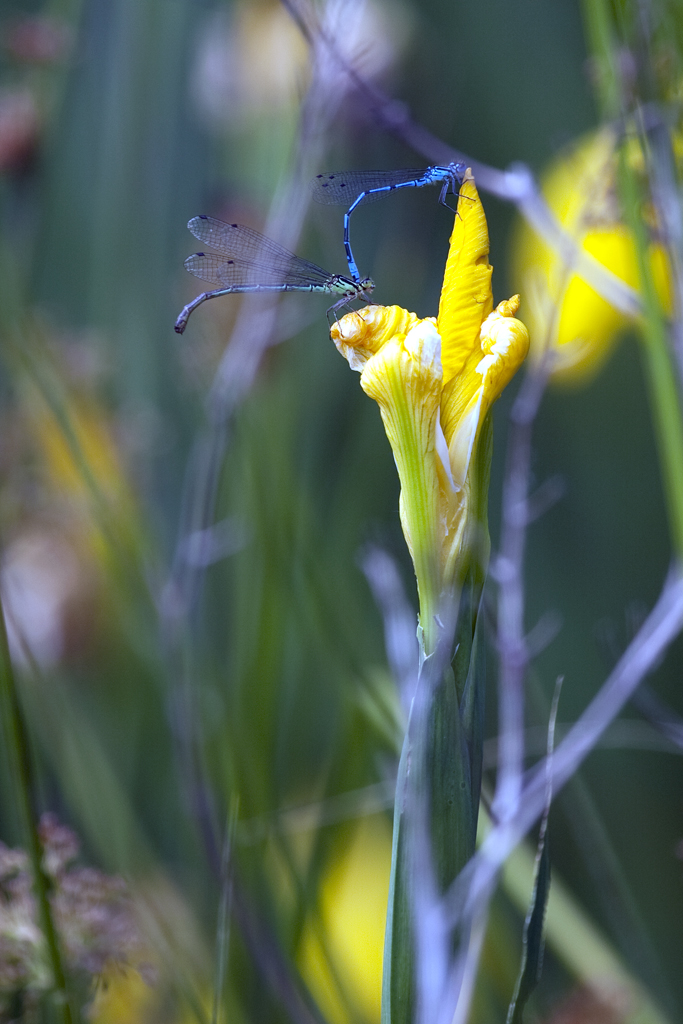
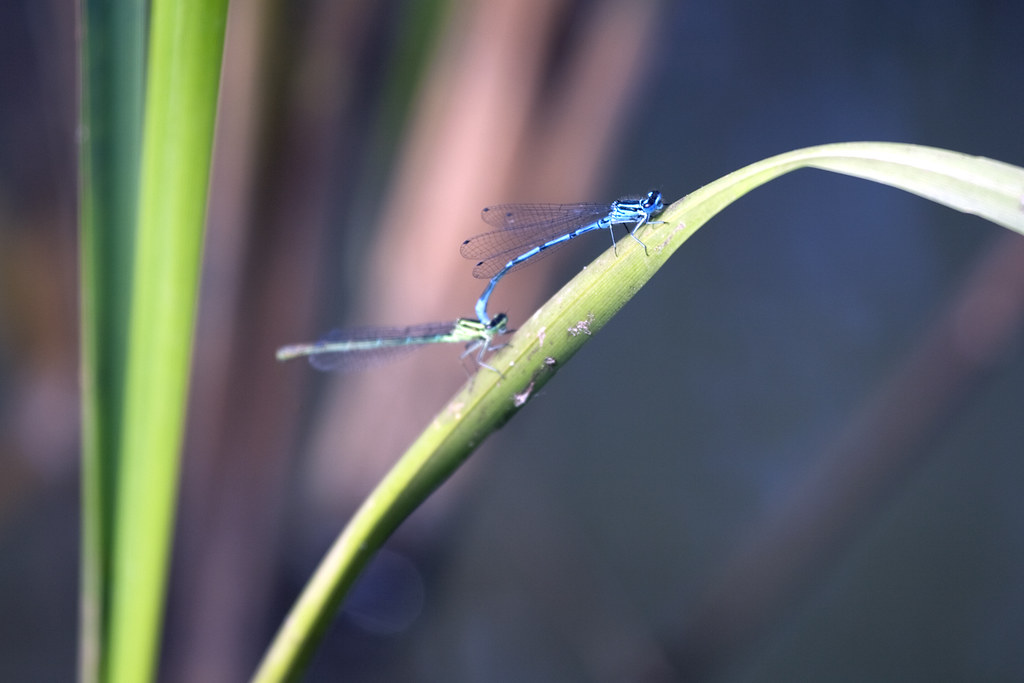
Large Red Damselfly (Phyrrosoma nymphula)
September 13, 2010 by

Although a common species, and the most likely ID if you see a red damselfly, this was the first time I’d seen any at our local pond.
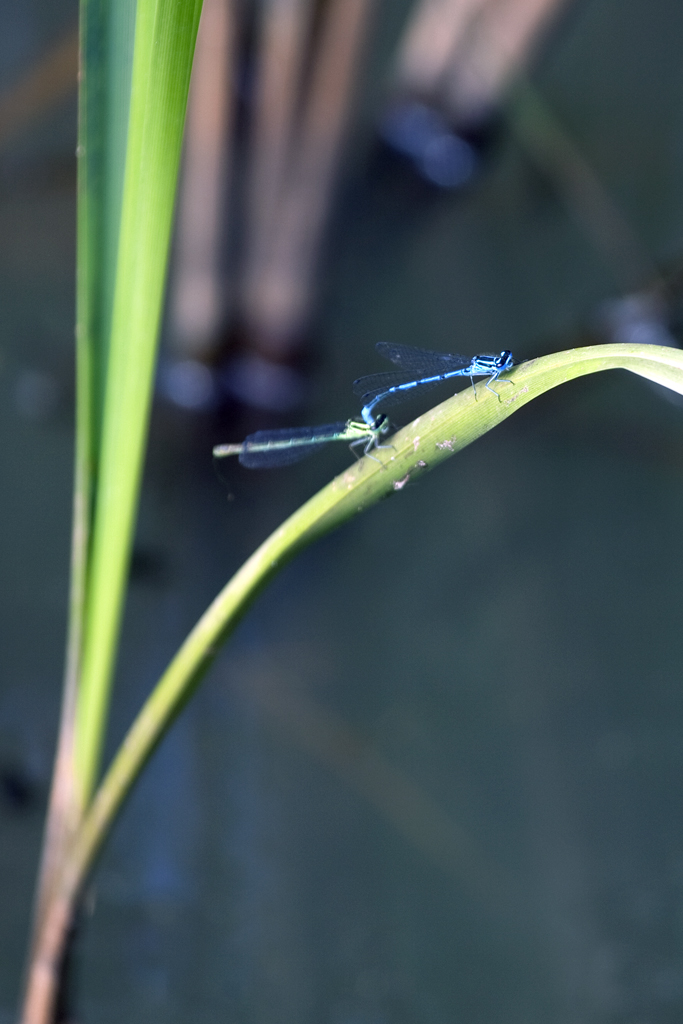
Seeing two dragonflies or damselflies joined together in the above position is referred to as in tandem and contrary to popular belief isn’t actually mating. The male clasps the female in this manner, he’s at the front, both before and after the transfer of sperm, which happens when the female curves the tip of her abdomen underneath the male’s thorax. This position is called the copulation wheel and damselflies usually prefer to do it in a secluded position high in the trees or deep within bushes, so its rarely observed, whereas dragonflies are more brazen and some species will fly around openly ‘in cop‘.
On the same day I took this photo I also shot the HD video of Saturday’s One a Day species and used exactly the same camera for both – my Canon EOS 5D Mk 2. Isn’t modern technology amazing?
Here are a few other shots I took that day including yet another One a Day species in tandem.

Sign this petition if you’re n…
September 13, 2010 by
Sign this petition if you’re not convinced the proposed badger cull will stop Bovine TB
Greenfinch (Carduelis chloris)
September 12, 2010 by
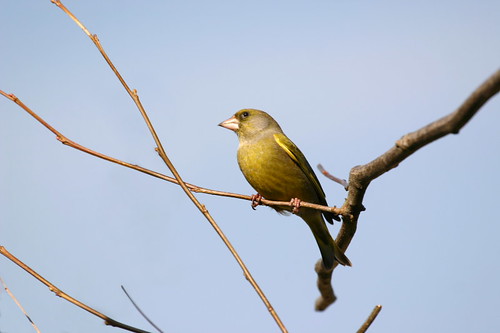
A very familiar British garden species. On our bird feeders, they’re usually the ones going through the seed mix, eating the sunflower hearts and chucking the smaller stuff on the floor, much to the delight of the waiting hens.
They used to be birds of arable farmland but due to changes in farming practice, mainly the disappearance of stubble fields and less sympathetic hedgerow management, winter gardens have become an important food source.
The finch in my picture is a male, the female being browner and just a bit plainer looking and being photographed early in spring a few years ago, he’s looking his breeding best. The morning sun caught him rather well too as he eyed me cautiously from his newly budding perch, before beating a hasty retreat.
Broad Bodied Chaser (Libellula depressa)
September 11, 2010 by
A bit of a bumper Saturday night post, two species of the day for the price of one in full HD video!
The first part of this film features an earlier SOTD post the Azure Damselfly (Coenagrion puella) but the really good stuff in the second half features L. depressa the Broad Bodied Chaser, ovipositing (egg laying) in my local dragonfly pond.
May have found a handy sound r…
September 11, 2010 by
May have found a handy sound recorder to replace the 5D MK2’s weak in camera audio – I’ll need a clapper board too 🙂
Kittiwake (Rissa tridactyla)
September 10, 2010 by
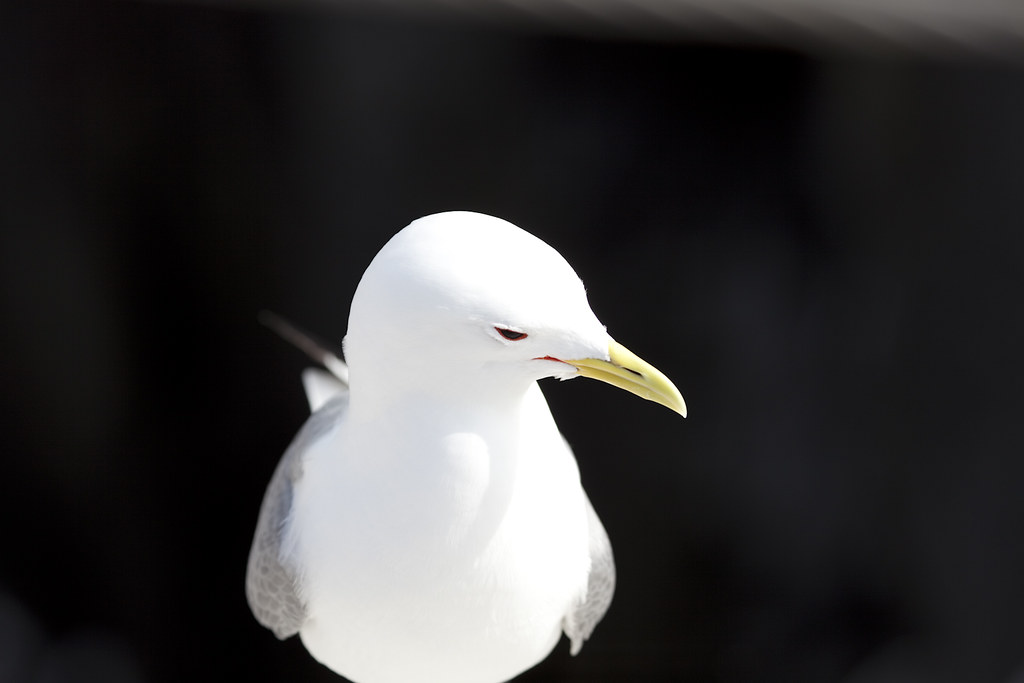
A small, perfectly formed gull. Unlike their heftier, noisier, cousins the Herring and Lesser Black Backed Gulls, Kittiwakes are only associated with coastal areas. You won’t find them chasing tractors or looting chicken dinner scraps from black bags on landfill sites. Instead, during the breeding season, they can be found in large, cliff ledge colonies but from August onwards they head back out to the Atlantic, where they spend the entire winter at sea.
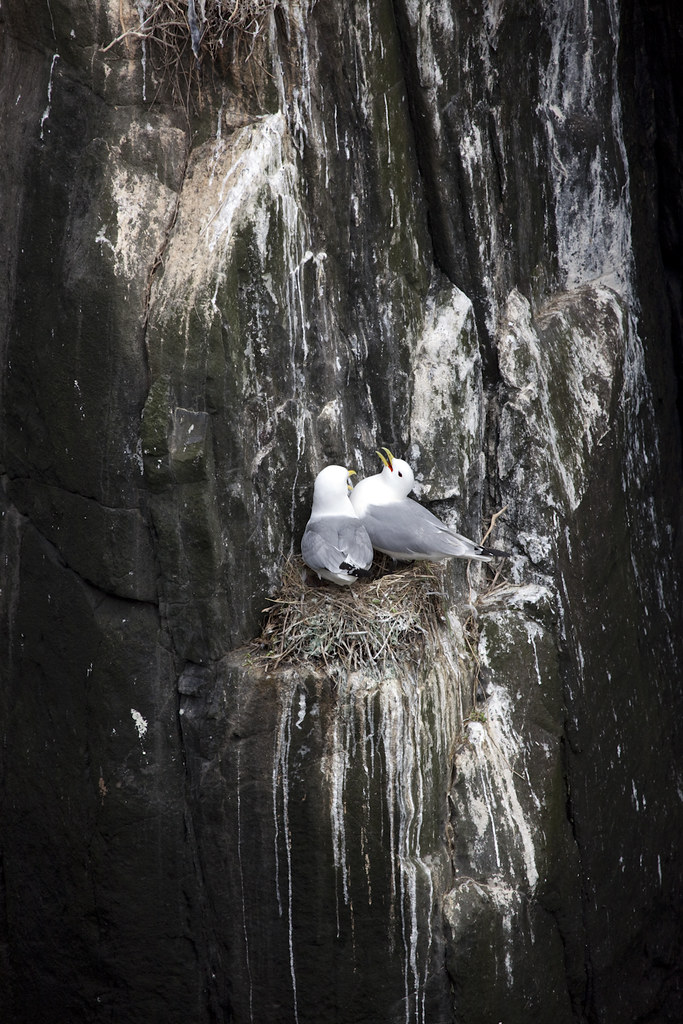
This “spending the winter at sea” lark is something I’ve only just really started to wonder about. I’ve long accepted that auks like Puffins, Guillemots and Razorbills spend the winter at sea, but what can that actually mean? Surely being at sea during a storm is a bit hazardous, so apart from bobbing about like a cork, which I suppose may be quite a good defense, though probably not good for getting your full sleep quota, how on earth do these birds manage? If anyone out there has any ides I’d love to hear them. Google thus far isn’t shedding much light on the subject, but if I do find out, I’ll do a follow up.
A quick note about the first picture. Although the framing is at best a bit off, possibly the kind of view you’d get if it was bobbing on the sea, I find the intimacy of being able to see the fiddly little details intoxicating. The delicate blood red eye liner and gape line, alongside the faintest of white scallops defining the shape of the pale grey wing feathers, is deeply rewarding to me.
Portraits can’t always be totally perfect and if not, they won’t win the wildlife photographer of the year, but as long as they’re revealing, they’re doing they’re job in my book.


 Twitter
 Flickr
 Delicious