April 18, 2026

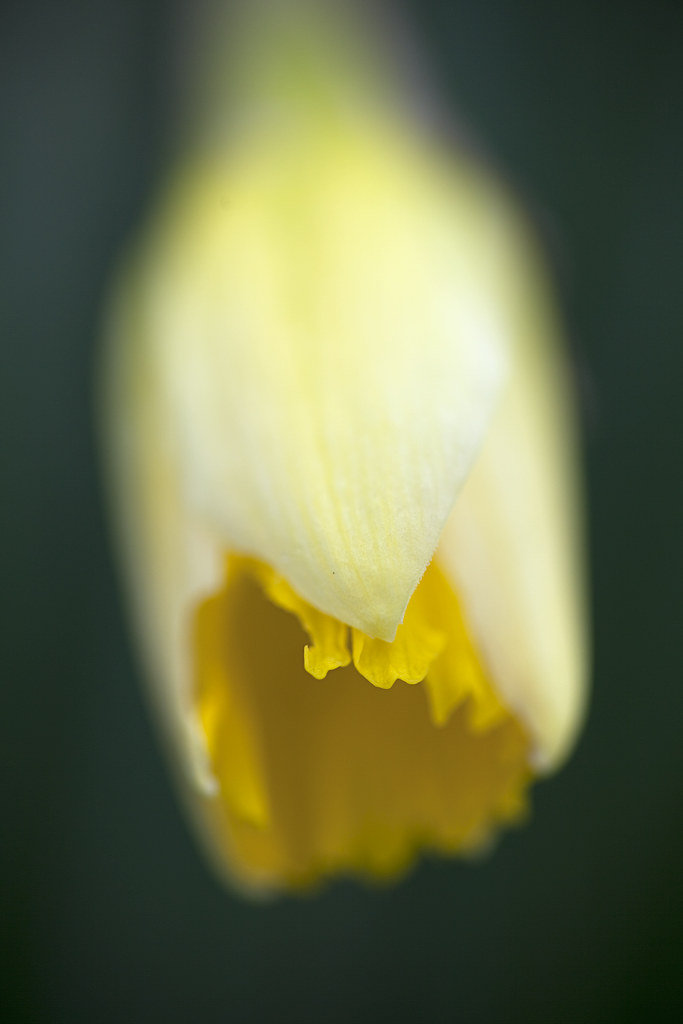
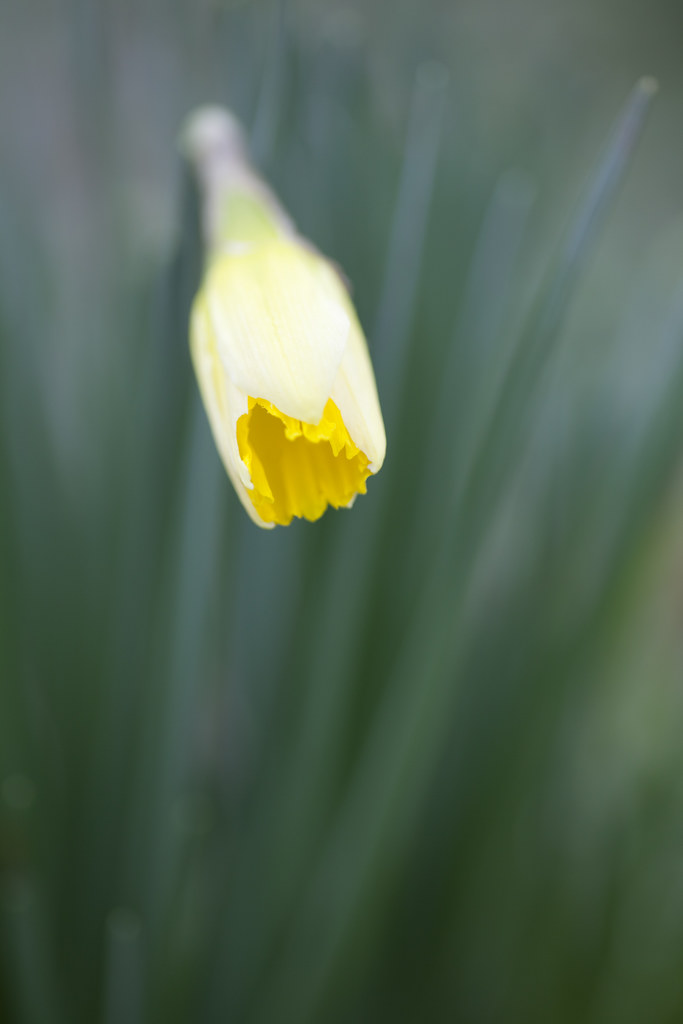
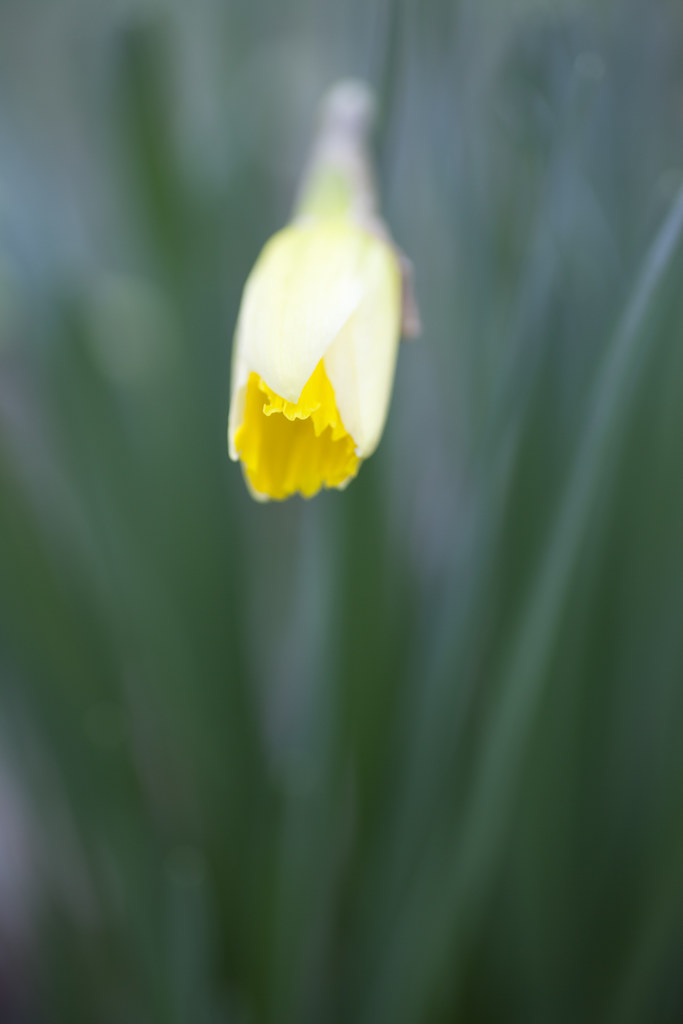
Wild Daffodil (Narcissus pseudonarcissus)

A timely and seasonal species, opening just in time for Saint David’s Day.

In addition to its significance as a welcome harbinger of spring, its also both the national flower of Wales, where I’ve lived for over half of my life and the county flower of Gloucestershire, where I live now. So it’s a really important species for me.

Locally there are some spectacular concentrations of these plants, although they grow in nothing like the numbers present in relatively recent history. In the early 20th century the wild daffodils which flower in and around Newent attracted visitors to this area each spring. Special trains were laid on from Gloucester, and the flowers were gathered by local schoolchildren and sent by rail to London hospitals.
Yellow-necked Mouse (Apodemus flavicollis)

Ever since I can remember I’ve wanted a Longworth Trap. This fantastic combination of shiny aluminium and post war British engineering allows the safe live capture of small mammals. Its a very elegant design featuring a kind of hallway and nestbox arrangement with a pressure sensitive bar that triggers a trapdoor once a creature is far enough inside. I’ve experimented with various baits over the years but a smear of peanut butter (crunchy – obviously) on the inside has proven the most irresistible.

Each winter,we share our old house with a few mice. They aren’t House mice (Mus musculus) but a mixture of Wood mice (Apodemus sylvaticus) and this species, Yellow-necked mice, who presumably decide that they’ll have a seasonally easier time of it by visiting us. This seems like the obvious reason but in a recent study, the Mammal Society concluded that although Yellow-necked mice are not fond of wet conditions, they’re not overly worried by the cold and that this house sharing behaviour may simply be down to the fact that population pressure means that young mice set off to find new territory at the end of the summer and they’re just exploring new habitat possibilities.

This winter, there have been fewer rodent visitors than in previous years. To make sure no trapped animals perish I monitor the trap frequently when deployed, and only ever put the trap down where there’s clear mousey evidence like nibbled packets in the larder, nocturnal scampering noises or, as has happened twice recently, when the bewhiskered guest boldly dashes across the carpet. In previous years I’ve relocated a mixture of species and up to ten or so individuals, but winter2010/11 yielded only four captures and of these only a single Wood mouse.

The mouse in this case was of a particularly large Yellow-necked variety. My son Joe, picked the trap up from the living room floor the other morning and as soon as he’d handed it over I could tell it was occupied as it was pretty weighty. Sure enough the Longworth’s resident was soon scrabbling around inside so we quickly rushed to put on wellies and coats so that we could set it free in the garden. We chose a highly salubrious location on top of our compost bins as a release site and I dismantled the trap inside a large plastic bag so that we could see and record whoever popped out.

This mouse was pretty unperturbed by recent events and sat on the top of the trap getting his bearings for a moment before trying a couple of experimental jumps, much to my son’s obvious delight. I then gently tipped the mouse out onto the compost bin beside Joe and with one mammoth leap of at least four feet, it had vanished into the catkin covered hazel hedge.

Incidentally, it stuck me as quite lyrical that I was taking pictures of a mouse with a Blackberry 🙂

I fasten the shutters.A Mistle…

I fasten the shutters.A Mistle Thrush lives up to its other name,Storm Cock,lustily singing into the strengthening South Westerly. #wildlove

In our house, we mostly #wildl…

In our house, we mostly #wildlove Owls, Dragonlflys and Newts

Very funny science comic, part…

Very funny science comic, particularly if you like Carl Sagan (as I do)

Collin Park Wood SSSI

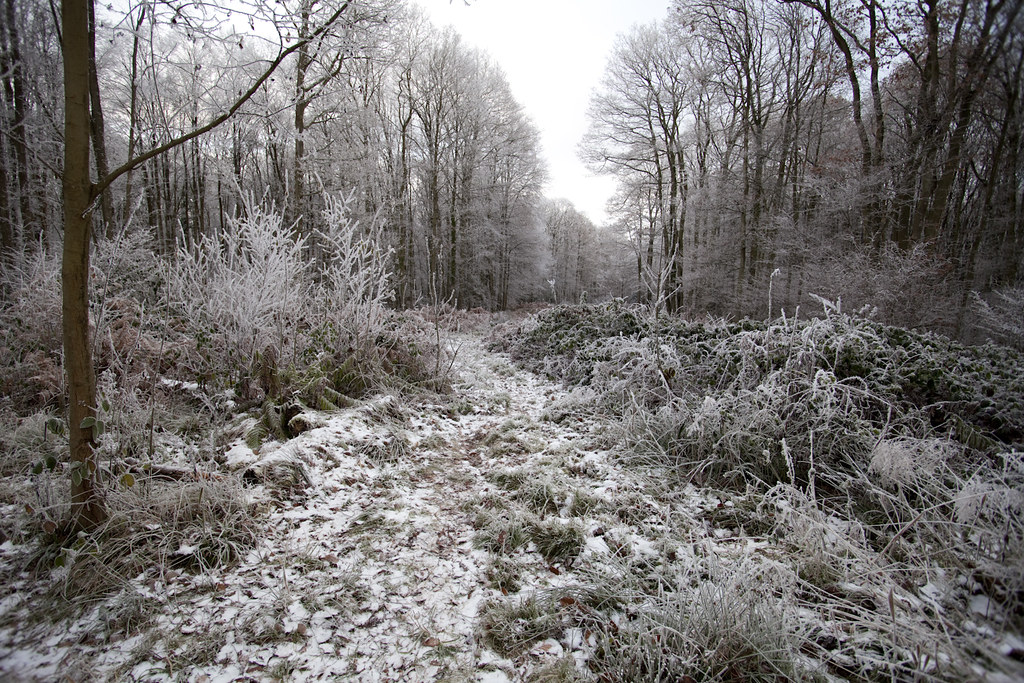
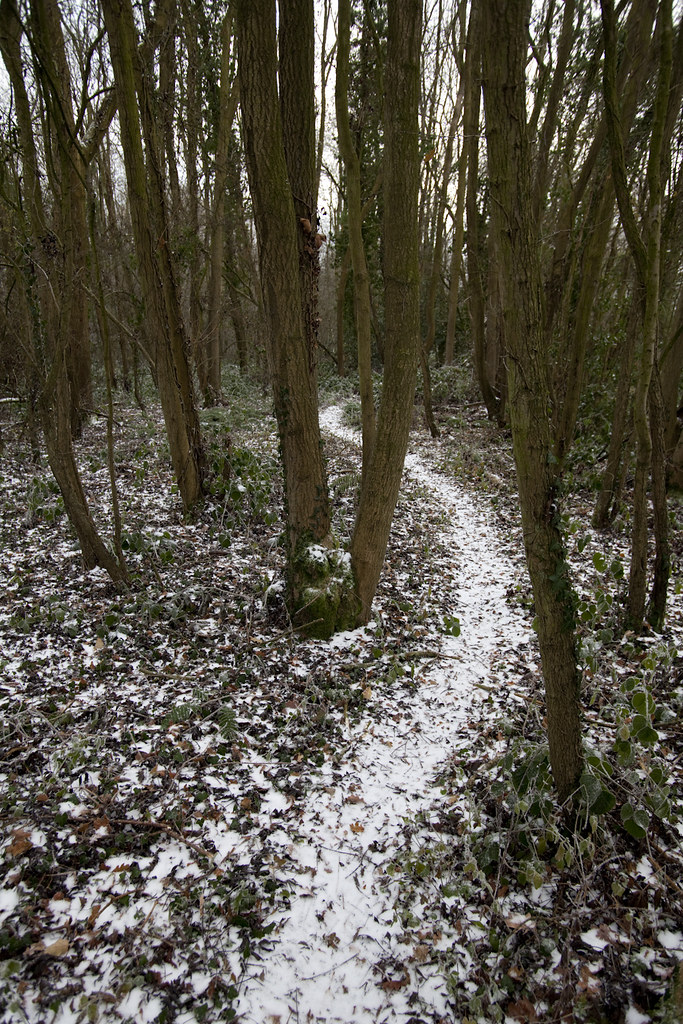
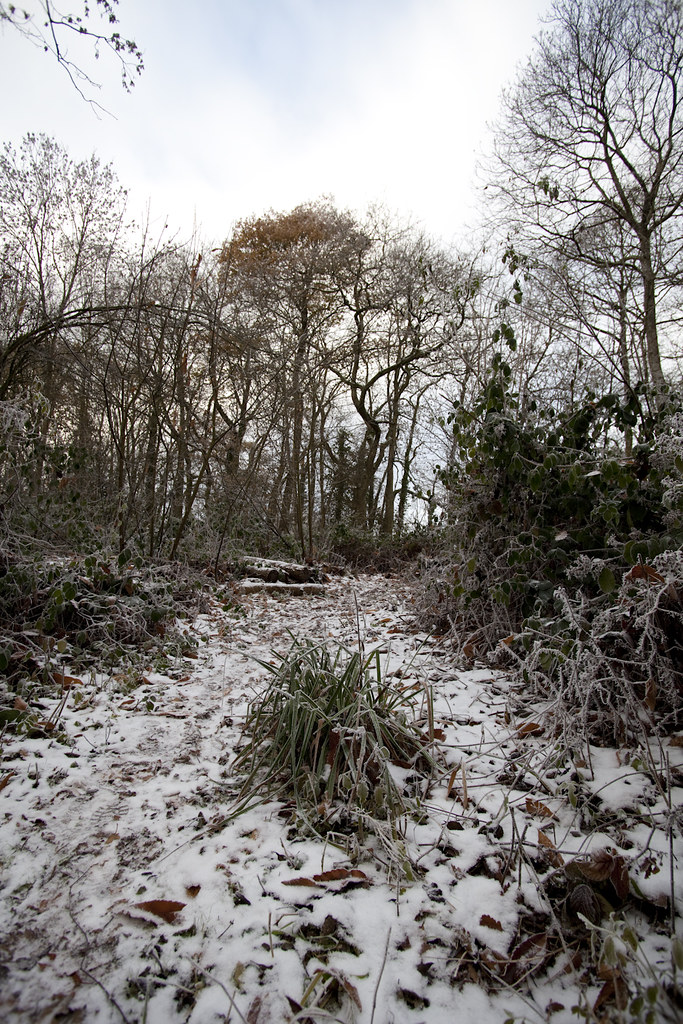
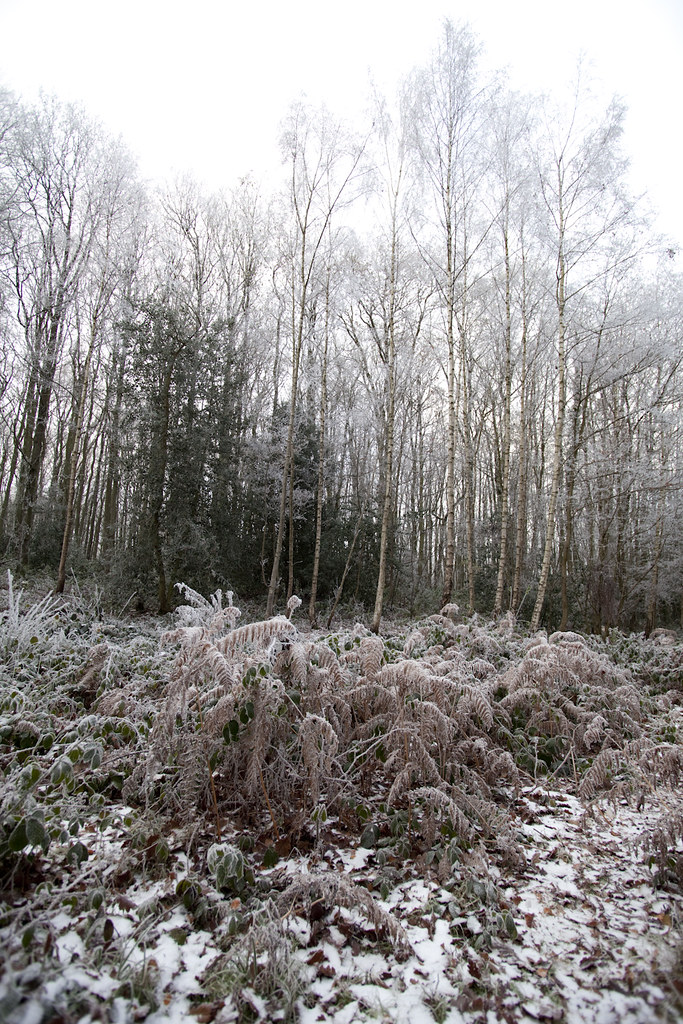
Back at the beginning of December I was inspired to visit this Gloucestershire Wildlife Trust Nature Reserve which I’d recently noticed was just off  the route I take to and from my son’s nursery. It was during a particularly cold snap which saw us having several consecutive days of freezing fog and some of the most remarkable Hoar frost I can remember.

As I got out of the car, the path into the reserve already looked like some path into Narnia and I was glad to have wrapped up so warmly. The fog and snow seemed to dampen any sound I made and it would have been eerie, had it not looked quite so beautiful. I was however beginning to have a niggling regret about not having brought some kind of magical device – the EOS 5D is a truly magnificent piece of kit, but it’s not much cop in the battling mythical creatures stakes -and I do like to be prepared.

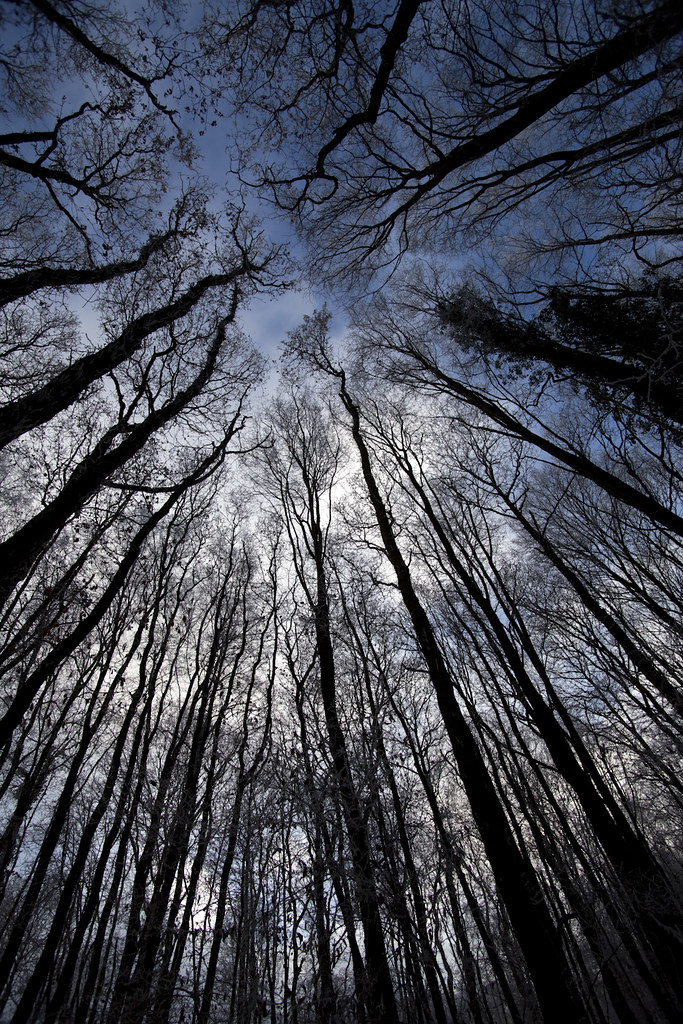
Having walked for a few minutes and seen or heard literally no wildlife whatsoever, I put the wide angle lens on my camera and determined to capture some images which would give some idea of the sense of place, rather than it’s inhabitants, who were wisely holed up out of the -8° temperature.

After about half an hour it was becoming clear that I’d made the correct lens choice, the wide angle doing a great job of capturing both trees and the super frosty bracken and briar at ground level. This smug complacency didn’t last long. I was lining up another tasty panorama through the woods when I noticed a largish raptor shape speeding overhead and landing high up above me in the canopy. I was literally frozen. I think I’ve mentioned it was -8, plus I was kneeling down desperately trying to work out how to swap lenses whilst still keeping sight of the perched bird which by now I was pretty convinced was a Goshawk – too bulky for a Sparrowhawk – tail too long and behaviour and habitat seemingly wrong for a Buzzard. My binos, luckily having been ’round my neck, I settled for a closer look then, since it appeared to be having a bit of a preen, decided to try a lens swap. Before I’d even got my pack off my back, my clumsy mammal movements betrayed my position and said raptor was gone, leaving me with the even stronger impression of Goshawk. I know they are recorded in this general area but this was a first for me and I’m really wondering if there have been any other sightings.

As I made my way back to the car, very pleased with my pictures and the Hawk sighting, I was snapped out of my reverie by the sound of something large crashing through the undergrowth ahead of me. Dog? I thought. Wolf? Balrog? Then onto the path emerged a rather surprised looking Roe deer about 20 meters in front of me. Again I thought, “lens swap time” and again I missed the shot, but paused long enough to get a really good look, before the animal bounded away through the trees, spooked by my movements.

RT @UK_Wildlife: 4 those that …

RT @UK_Wildlife: 4 those that missed it: Yet more waxwings: – Brilliant shots Neil, particularly like the group shot

RSPB Big Garden Bird Watch

No huge surprises during the hour’s bird watch, but it was nice to see that the Song and Mistle thrushes didn’t miss their cue even if the woodpeckers, Wrens and Jays did.

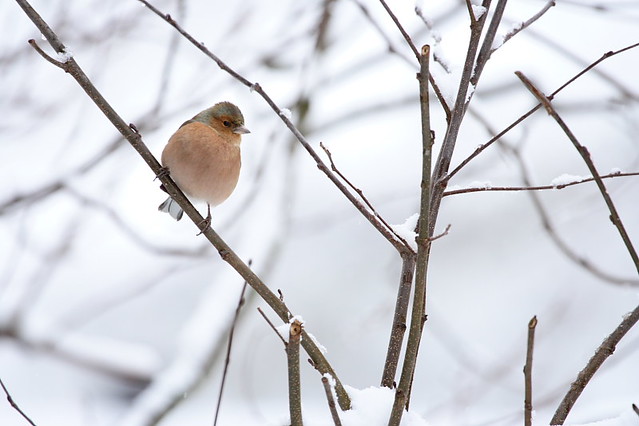
The winning species in terms of numbers at least, was the humble Chaffinch:

Species Scientific Name Number
Listed in the order they showed up
1 Magpie Pica pica 2
2 Nuthatch Sitta europeaea 1
3 Robin Ericathus rubecula 2
4 Chaffinch Fringilla coelebs 7
5 Blue Tit Parus ceruleus 3
6 Collared Dove Streptopelia decaocto 2
7 Great Tit Parus Major 3
8 House Sparrow Passer domesticus 3
9 Goldfinch Carduelis carduelis 1
10 Dunnock Prunella modularis 1
11 Blackbird Turdus merula 5
12 Jackdaw Corvus monedula 4
13 Moorhen Gallinula chloropus 1
14 Wood Pigeon Columba palumba 2
15 Starling Sturnus vulgaris 2
16 Greenfinch Carduelis chloris 1
17 Song Thrush Turdus turdus 1
18 Mistle Thrush Turdus viscivorus 1
42

Just finished this years birdw…

Just finished this years birdwatch – 18 species recorded and 42 individuals. Which by a strange coincidence, is my current age 🙂 #BGBW

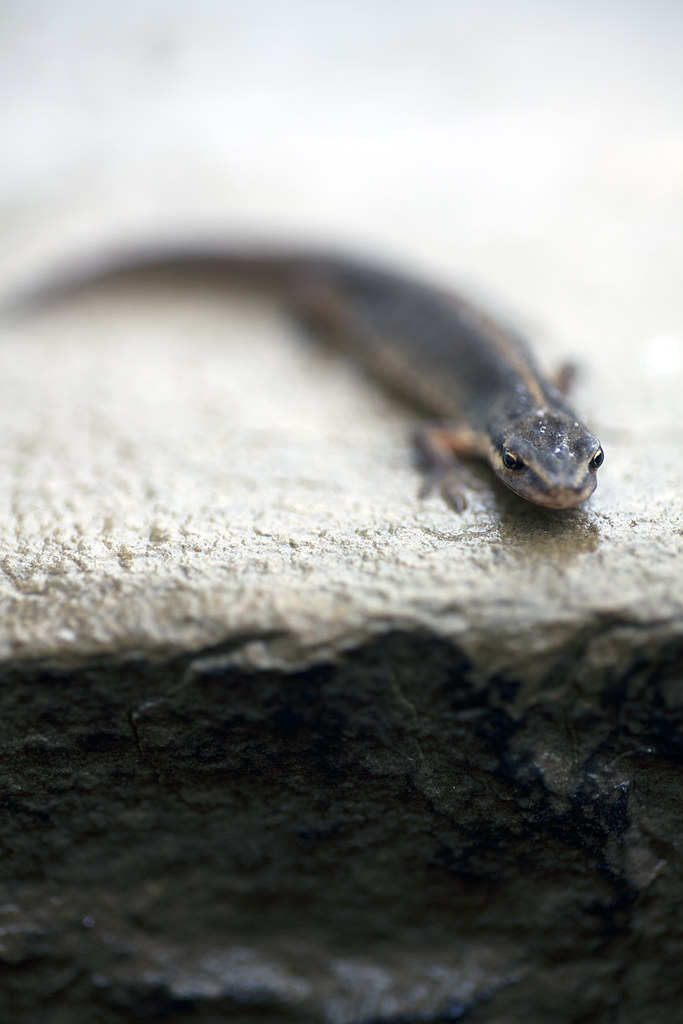
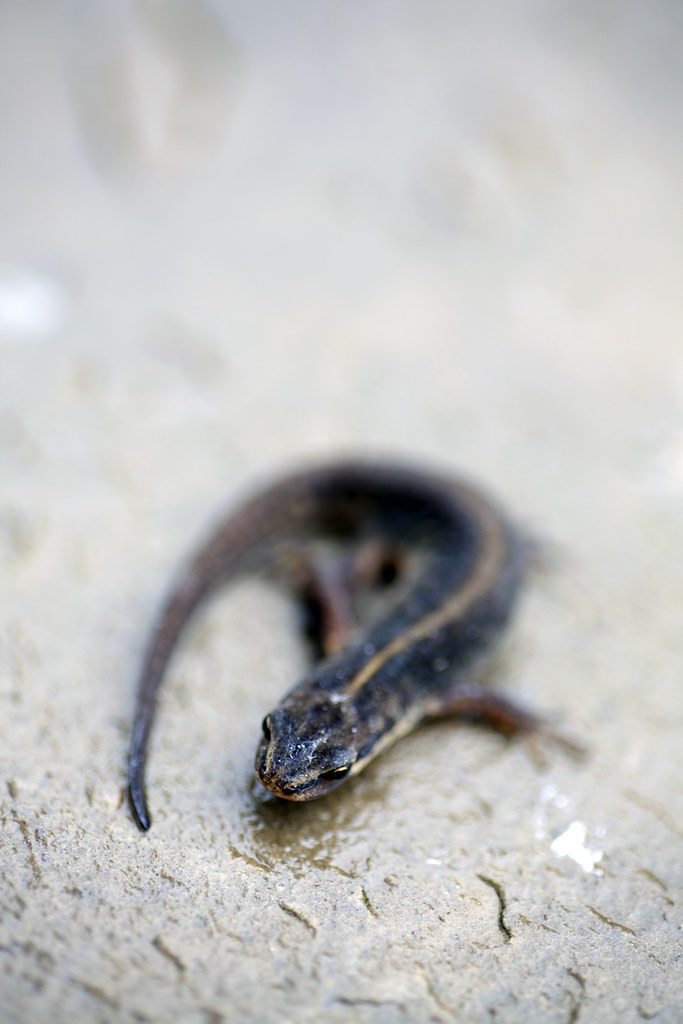
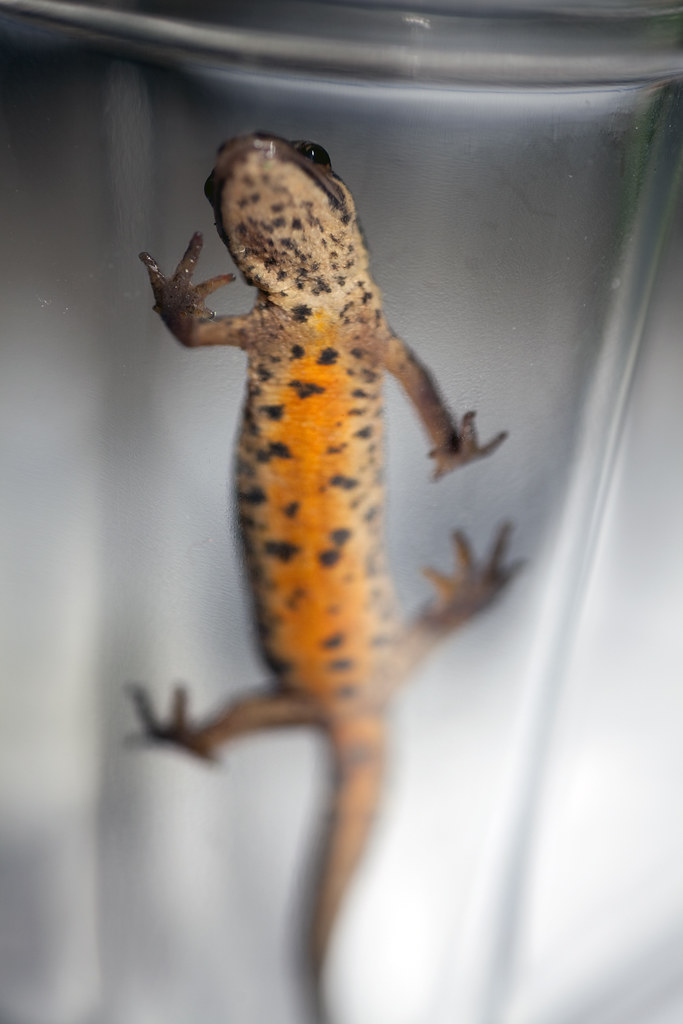
Smooth Newt (Lissotriton vulgaris)

We get a lot of these little fellows in our garden and I usually remove a few individuals from our cellar each year. Our house is surrounded by farmland and the interconnected network of drainage ditches provides plenty of useful habitat. Like our other species of newt, the Palmate and Great Crested, the adults generally only really frequent ponds during the breeding season between February and June.  The rest of the year is spent foraging and generally being terrestrial creatures, albeit preferring to spend their time in damp places.

Like our other newts, these amphibians hibernate during winter in sheltered places often under logs and stones. To help them out in this respect I’ve built several substantial piles of stones, in certain key areas of our garden. The scientific name for these is hibernacula – protective cases, covering, or structures, in which an organism remains dormant for the winter. I finished my largest yet last summer, so I’m hoping I may record even more newts in the garden this year.